

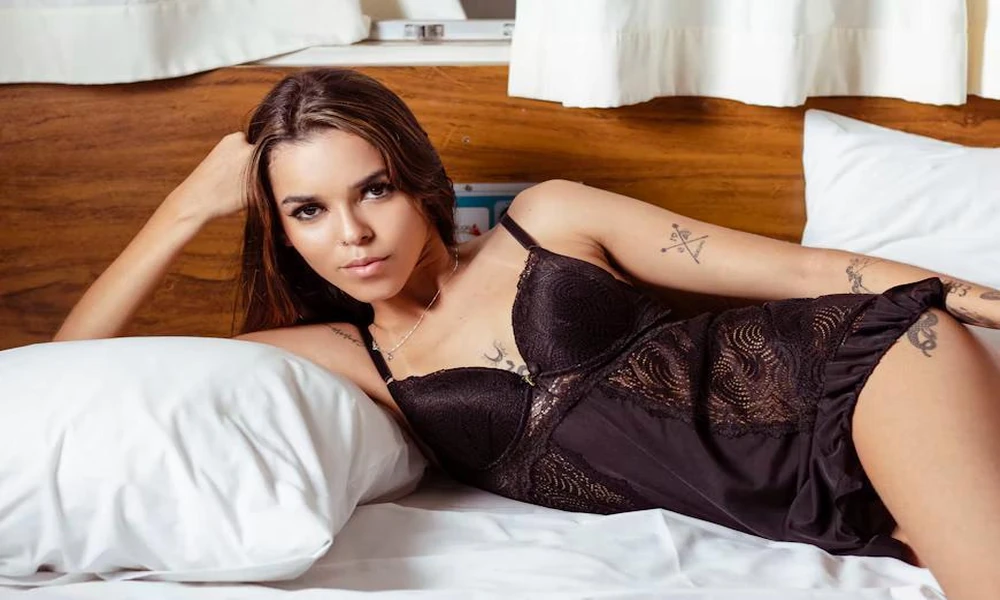
Finding sleepwear that works for real rest while still looking appealing is harder than it first appears. Many pieces look elegant in photos yet prove irritating after an hour in bed because of seams, straps or fabric that does not move with the body.
The right choice balances soft materials, thoughtful construction and a silhouette that suits your shape. Options such as Lace and Luna night dresses show how lace details, smooth bodices and adjustable straps can combine appearance with comfort when selected carefully.
Fabric Matters Most for Overnight Comfort
The fabric decides whether you stay cool, avoid static or wake up with red marks. Satin drapes well and feels cool against the skin, which suits warmer nights, yet it offers little moisture absorption. Modal and viscose blends breathe more freely and reduce cling, making them better for uninterrupted sleep. Chiffon and fine tulle prioritise transparency and lightness but can feel scratchy if worn for long periods.
Lace adds visual interest, yet its placement is critical. Lace along the neckline and hem usually causes fewer problems than lace running across chest seams or under the arms. A smooth fabric body with lace only at the edges tends to feel better through the night. Always check the inside of the garment: flat seams and soft linings reduce irritation far more than outer appearance alone.
Length, Style and Fit
Length changes both look and practicality. A chemise that finishes mid-thigh stays out of the way when you turn. A knee-length or midi style offers more coverage without the bulk of a full-length gown. Ankle-length pieces create an elegant line but can tangle if the fabric is heavy or the cut is too narrow.
Babydoll styles fit under the bust and fall loosely, which reduces pressure on the stomach and allows free movement. Traditional nightgowns follow the body more closely and give a defined silhouette. Neither is automatically better; the choice depends on whether you prioritise unrestricted sleep or a more shaped appearance.
Adjustable straps make a noticeable difference. Fixed straps that dig in or slip off the shoulder disrupt rest. A V-neck or wrap neckline flatters most figures and reduces the need for extra support underneath. Some styles include light structure in the bust area so a bra is unnecessary at home.
Practical points to check before buying
- Measure chest, waist and hips and compare them with the specific size chart rather than relying on standard clothing sizes.
- Note the total length of longer styles, as this varies widely between makers.
- Look for soft, non-scratchy lace and fully finished seams on the inside.
- Prefer adjustable straps over fixed ones for better overnight fit.
- Choose breathable fabrics for regular sleep and reserve more decorative pieces for shorter wear.
Matching Sleepwear to Season and Use
In warmer months, lightweight satin or modal keeps the body cooler. In cooler weather, a slightly denser knit or a style with sleeves provides warmth without the need for an extra layer that slips off during the night. Purely sheer mesh or heavy lace is better suited to shorter periods of wear rather than a full night’s rest.
When selecting Lace and Luna night dresses, consider the fabric, length and level of coverage that best suit your seasonal needs and personal sleeping preferences.
Think about how you actually sleep. Side sleepers often prefer looser cuts that do not ride up. Those who move a lot benefit from fabrics with a little stretch and straps that stay in place. If the garment is intended mainly for occasional use, aesthetics can take priority. For everyday sleep, comfort features should come first.
Care That Protects Both Look and Feel
Correct washing extends the life of delicate sleepwear. Hand wash in cool water or use a mesh bag on a gentle machine cycle. Avoid fabric softener, which can dull satin and weaken lace elasticity. Never tumble dry; hang the piece in the shade on a wide hanger so the shoulders keep their shape. If ironing is needed, use the lowest temperature and turn the garment inside out.
These steps preserve both the visual quality and the soft hand-feel that made the piece comfortable in the first place.
Common Issues and How to Avoid Them
Scratching usually comes from lace or seams in high-friction areas. Choosing designs that keep decorative elements away from the underarm and bust seams solves most of the problem. Straps that dig in are almost always fixed or poorly adjusted; switching to an adjustable style or loosening them slightly often removes the discomfort. Static and cling are more common with pure synthetic satins; blends that include modal or viscose reduce the effect.
If skin sensitivity is an issue, test a new piece for a short period before committing to a full night. Soft linings and tag-free construction help further.
FAQs
What fabric is best for comfortable overnight sleep?
Modal and viscose blends generally breathe better and feel less clingy than pure satin. Satin remains a good choice for its cool touch and drape, provided the construction is smooth and seams are well finished.
How can I stop lace from irritating the skin?
Select styles that place lace mainly at the neckline and hem rather than across the bust seams or under the arms. A smooth fabric body with limited lace detail usually feels more comfortable through the night.
Do I need to wear a bra under a nightie or chemise?
Not necessarily. Styles with light structure in the bust area or well-placed adjustable straps often provide enough support for home wear. A soft neckline also helps keep everything in place without extra layers.
What is the practical difference between a babydoll and a nightgown?
A babydoll is fitted under the bust and falls loosely from there, reducing pressure on the midsection. A nightgown follows the body’s line more continuously and creates a clearer silhouette. Comfort often favours the babydoll; a defined shape favours the nightgown.
How should delicate sleepwear be washed?
Use cool water by hand or a gentle machine cycle inside a mesh bag. Skip fabric softener and the dryer. Hang the item in the shade on a wide hanger. Iron on a low setting only if needed, and always from the inside.
Conclusion
Comfortable, attractive sleepwear depends on fabric choice, seam placement, adjustable straps and a cut that matches how you actually sleep. Prioritising these practical details over pure appearance leads to pieces that look good and support rest.
Measure carefully, inspect the inside of the garment, and match length and fabric to your climate and sleeping habits. Small checks at the point of selection make the biggest difference once the lights are out.